Protected: Kévin MÉRET(ケヴィンさん一家)

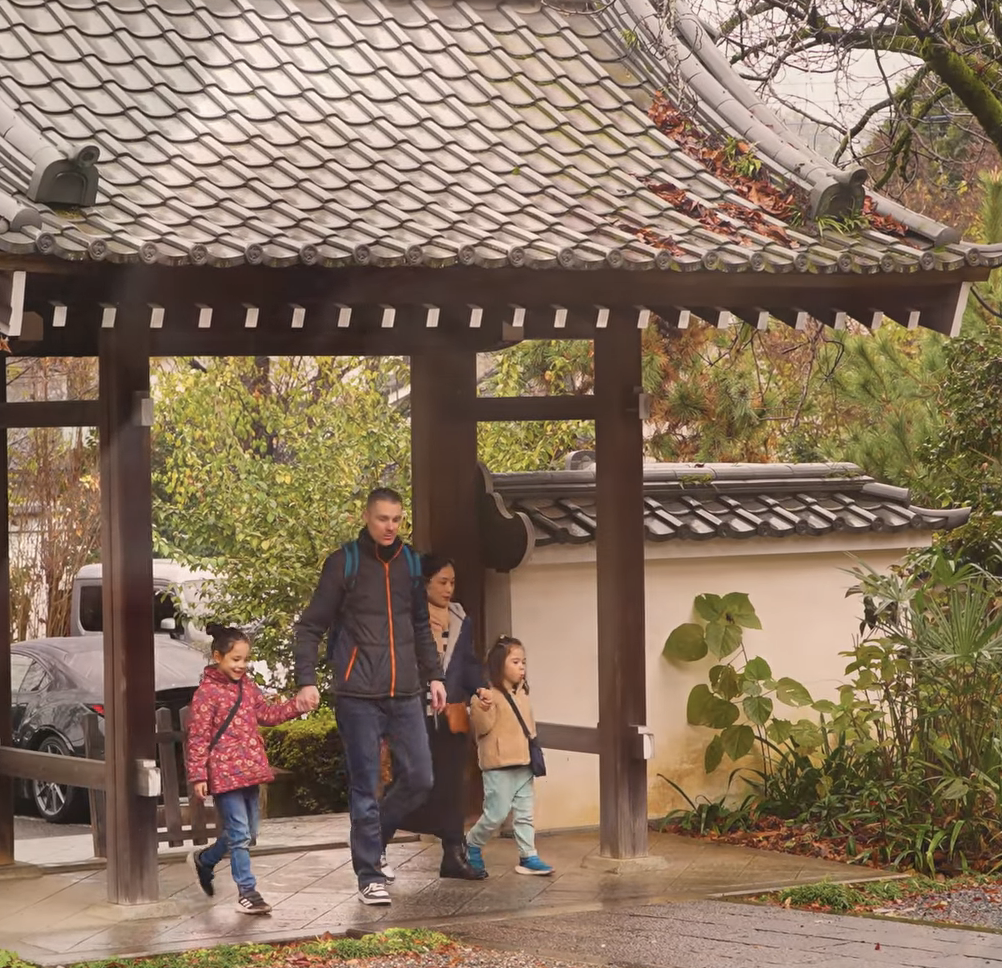
  • Date: 14 Dec 2025
  • Location: Ryoudenji Temple in Tokyo
  • Participants: 4
  • Plan: ① Kimono ② Calligraphy (Large / Medium / Small) ③ Tea ceremony ④Zazen meditation
Kanji
Reading
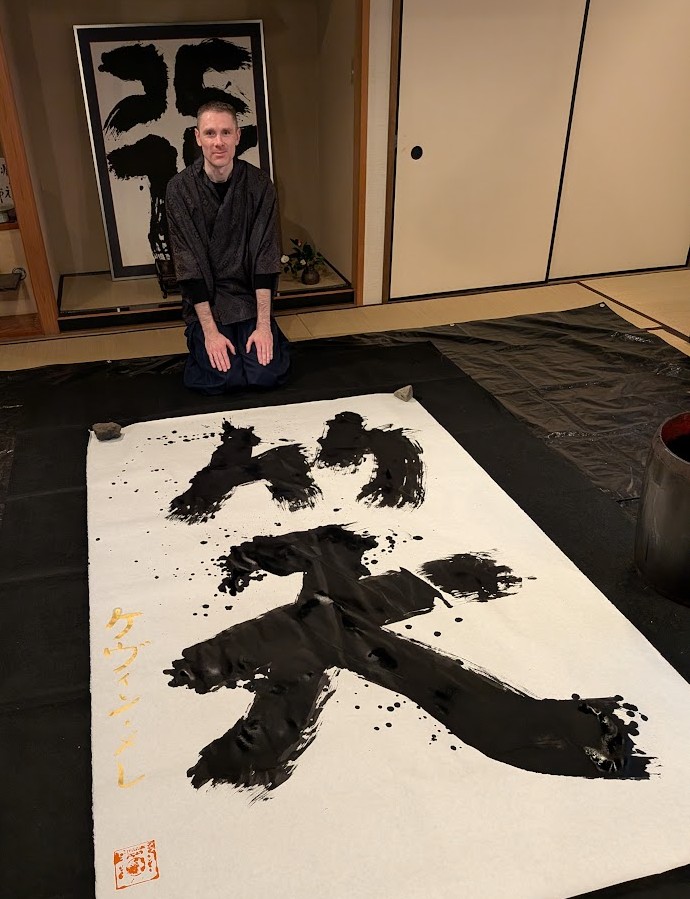
warau/emi
Sense
Japanese “warau” (to smile or laugh) is not only the outward expression of bright emotions. It is also a quiet gesture that centers the heart and gently harmonizes the atmosphere and the people within it. Traditionally, even in times of hardship, a smile is understood as a subtle sign of an unshaken and composed spirit, appearing softly rather than being displayed.
Note
Each stroke is executed with great care and confidence. The generous use of negative space in the lower left, together with the final stroke, creates a strong sense of openness—almost as if it hints at a positive world yet to unfold. The placement of the signature and seal is also masterful, perfectly balanced within the composition. It is a work that makes you want to see more characters by the same hand.

GÜR GÜNCE(グンチェさん) 

I was able to wear a kimono and practice calligraphy with a teacher who was remarkably kind and warm-hearted. It will surely be an unforgettable moment during their journey in Japan.

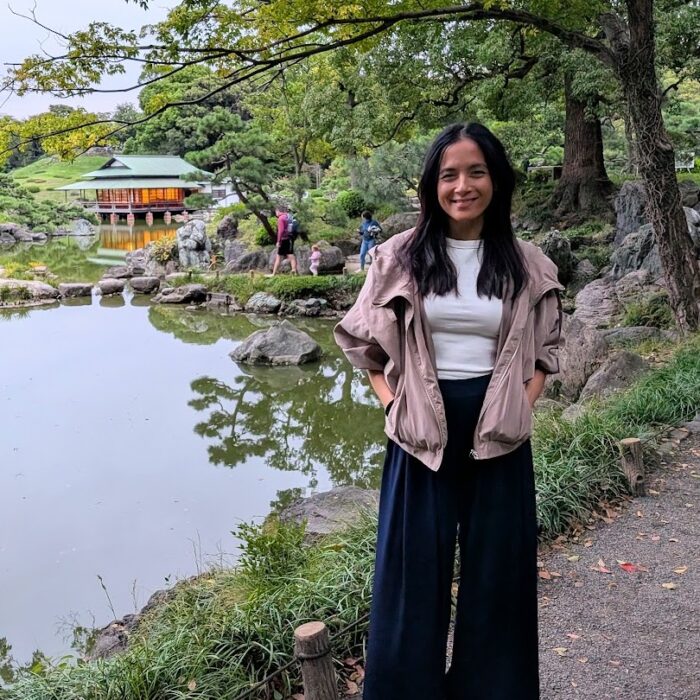
  • Date: 21.10.2025
  • Location: The Kiyosumi Garden in Tokyo
  • Participants: 1
  • Plan: ① Kimono ② Calligraphy (Large / Medium / Small) ③ Matcha & Japanese Sweets
Kanji
魂(soul)
Reading
tamasii
Sense
It is the very source of human life—the essential power one is born with, where true beauty, unwavering will, and the wellspring of deep emotion reside. Existing beyond thought and language, it reveals itself quietly through one’s actions, gestures, and way of living. When a person faces hardship or silence, it is the purest and most authentic force that rises from within.
Note
She carries herself with excellent posture, her movements are careful and refined, and she radiates remarkable elegance. Everyone was amazed by her graceful transformation from Western attire into a kimono. The character “Soul” is particularly difficult to balance in its composition, yet she expressed it with strength and confidence. Her sense of balance, in particular, was truly impressive.

Stéphane Houis(ステファンさん)

Very satisfied.                                              Super experience, very nice people, very good teacher!

  • Date: 2025.08.20
  • Location: Asakusa in Tokyo
  • Participants: 1
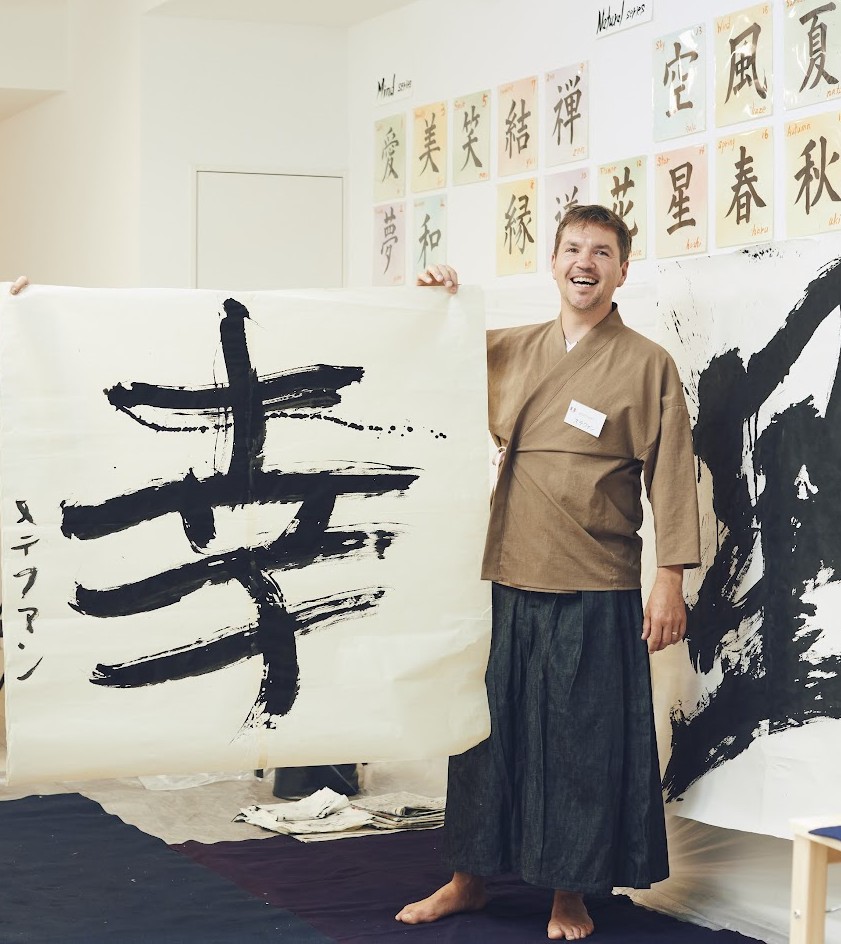
  • Plan: ① Kimono ② Calligraphie japonaise
Kanji
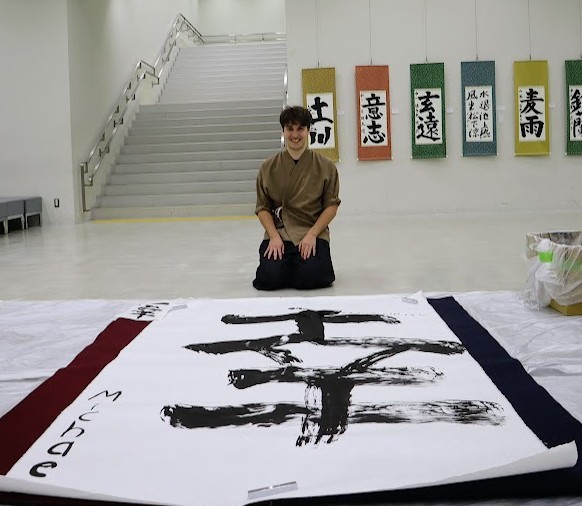
幸(happiness)
Reading
shiawase
Sense
“Fortune” (幸) does not refer only to extraordinary success or great joy. It describes a state of calm and fulfillment found in everyday life. Even when things do not go as planned, it is the ability to notice the small blessings that are already here, and to feel gratitude for them. In Japan, fortune is not something given from the outside; it is believed to be something nurtured through one’s state of mind.
Note
It was his first time in Japan, his first encounter with the Japanese language, and his first experience holding a grand calligraphy brush. At the beginning, his movements were cautious and tentative, but by the end, he was radiating a remarkably confident and graceful presence. “Fortune” (幸) is a delicate kanji built on a diamond-shaped structure. As the audience looked on, he focused deeply, drawing each stroke one by one with a steady gaze, completing the character with quiet dignity. The lines he created were exceptionally gentle and kind.